Turning 40 often comes with changes in energy levels, metabolism, and health priorities—but it can also mark the beginning of a critical phase for heart and brain health. One important condition to watch out for is the mini stroke, also known as a transient ischemic attack (TIA).
Although TIAs can happen at any age, risk increases significantly after 40, especially with certain lifestyle and medical factors. And while a mini stroke doesn’t cause permanent brain damage, it’s a major warning sign that a full stroke could be on the way.
What Is a Mini Stroke?

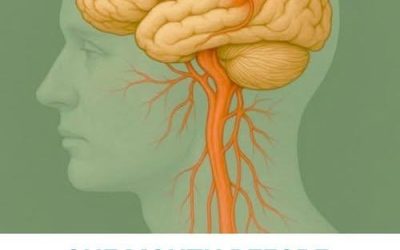
A transient ischemic attack (TIA) is a temporary interruption of blood flow to the brain, often caused by a small clot or narrowed artery. Symptoms are stroke-like but resolve within minutes to hours, and there’s no permanent brain damage.
However, 1 in 3 people who have a TIA go on to have a full stroke, often within weeks or months.
Why People Over 40 Are at Greater Risk

Once you hit your 40s, natural aging processes and lifestyle choices begin to influence your risk for vascular problems. Risk factors for TIAs in this age group include:
High blood pressure (often goes undiagnosed)
High cholesterol
Diabetes or prediabetes
Smoking or vaping
Sedentary lifestyle
Excess weight or obesity
Stress and poor sleep
Atrial fibrillation (irregular heartbeat, more common over 40)
Family history of stroke or heart disease
Even if you feel healthy, these risk factors can exist silently and contribute to a TIA.
Common TIA Symptoms to Watch For
Symptoms may last a few minutes or up to a couple of hours and include:
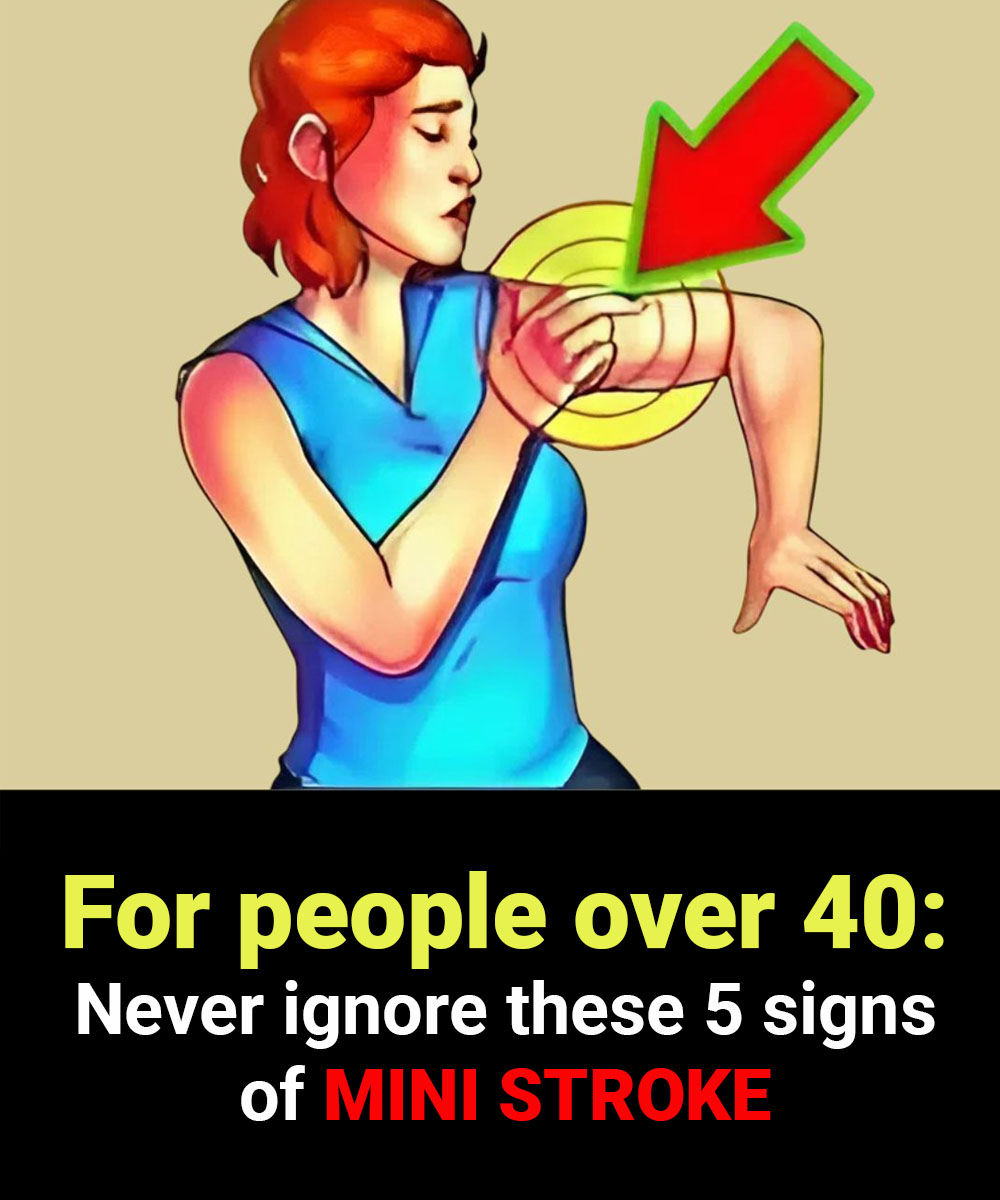
Sudden numbness or weakness, especially on one side
Slurred speech or difficulty understanding others
Blurred or double vision
Dizziness, loss of balance, or unsteady walking
A sudden severe headache (less common)
Important: These symptoms may disappear quickly, but that doesn’t mean you’re safe. If you or someone around you experiences them, call emergency services immediately.
Getting Diagnosed After a TIA
If you’re over 40 and experience symptoms—even if they go away—you’ll likely undergo:
MRI or CT scan to check for signs of a stroke
Blood tests to evaluate cholesterol, glucose, and clotting
Heart tests (ECG or Holter monitor) to check for arrhythmias
Carotid ultrasound to look for artery narrowing