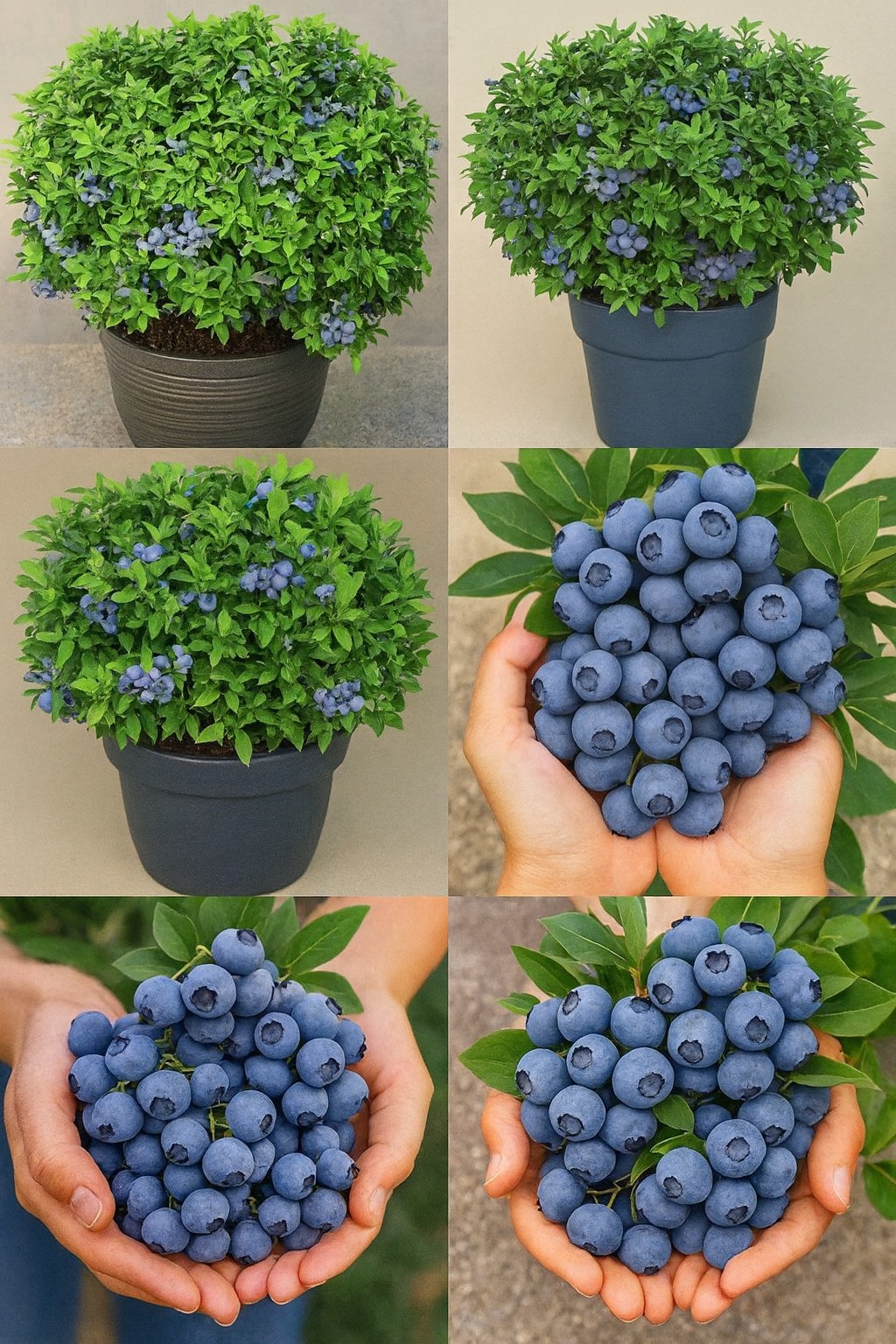
Blueberries are more than just a tasty snack or a healthy addition to your morning oatmeal. They’re also a stunning addition to any home garden, with their compact shape, delicate white flowers, and striking autumn foliage. Even better—they’re surprisingly easy to grow if you follow a few simple guidelines. With proper care, you can enjoy baskets of juicy, homegrown blueberries while giving your neighbors a reason to envy your green thumb.
Whether you’re a beginner or an experienced gardener, here’s everything you need to know to grow blueberries successfully in your own backyard.
Why Grow Blueberries at Home?
Growing your own blueberries comes with a host of benefits:
Delicious and nutritious fruit packed with antioxidants and vitamins
Beautiful ornamental appeal throughout the year
Long lifespan, with some bushes producing fruit for 20 years or more
Cost-effective—no more buying expensive punnets at the grocery store
With just a few plants, you can harvest enough fruit for snacking, baking, freezing, and even sharing.
Choose the Right Blueberry Variety
The first step is selecting the right type of blueberry for your region and garden size. The three main types include:
Highbush Blueberries – Ideal for temperate climates; they’re the most common and productive for home gardens.
Lowbush Blueberries – These compact, hardy varieties are great for colder climates and ground cover.
Rabbiteye Blueberries – Best for warmer, southern regions. They tolerate heat well but need cross-pollination from another variety to produce fruit.
Look for varieties suited to your USDA Hardiness Zone, and for best yields, plant at least two different cultivars to encourage cross-pollination—even if the label says “self-fertile.”
Find the Perfect Spot
Blueberries love sun and acidic soil. Choose a location in your garden that gets at least 6–8 hours of direct sunlight daily. The sunnier the spot, the sweeter the berries.
Soil should be:
Well-drained and loose
Rich in organic matter
Acidic, with a pH between 4.5 and 5.5
If your garden soil is too alkaline, you can lower the pH by adding sulfur, peat moss, or composted pine bark. Testing your soil before planting is a smart move and helps you adjust it properly.
Planting Your Blueberry Bushes
The best time to plant blueberries is early spring or late fall. Follow these steps for successful planting:
Dig a hole twice as wide and just as deep as the root ball.
Mix compost or acidic soil amendments into the removed soil.
Place the plant at the same depth it was in the container, spreading the roots gently.
Backfill the hole and press the soil down firmly around the base.
Water thoroughly, then add mulch around the base to conserve moisture and suppress weeds.
Maintain a space of 1 to 1.5 meters (3–5 feet) between bushes to allow airflow and room for growth.
Watering and Feeding
Blueberries have shallow roots and prefer consistently moist—but not soggy—soil. Water deeply once or twice a week, especially during dry spells.
Use rainwater or filtered water if possible, as tap water may raise the soil’s pH. Add 2–3 inches of mulch (such as pine needles or wood chips) to retain moisture.
Feed your plants in early spring with an acid-loving fertilizer, such as those made for azaleas or rhododendrons. Avoid high-nitrogen fertilizers—they promote leaf growth at the expense of fruit.
For Complete Cooking STEPS Please Head On Over To Next Page Or Open button (>) and don’t forget to SHARE with your Facebook friends.