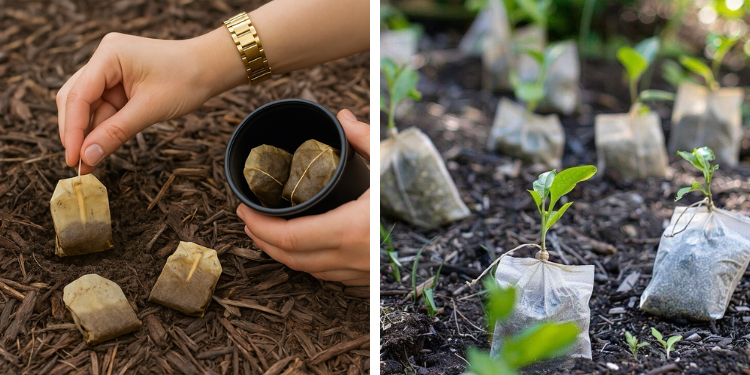
One of the simplest, most effective ways to keep those microbes thriving through the cold months is something you probably throw away every day: used tea bags.
That’s right – instead of tossing them into the trash, you can bury old tea bags in your garden soil to feed beneficial microbes, improve soil texture, and even boost fertility before planting season begins.
It’s an easy, eco-friendly, zero-waste trick that gives your plants a head start long before you sow your first seed.
The Secret Life Beneath the Soil
Even when your garden seems still in winter, the soil beneath is bustling with microscopic life.
Bacteria, fungi, earthworms, and nematodes all play a role in breaking down organic matter and turning it into nutrients your plants can use.
These microorganisms are what make healthy soil truly alive. Without them, your soil becomes sterile, compacted, and nutrient-poor.
But here’s the problem: during cold months, microbial activity slows down due to lack of fresh organic material. When we remove leaves, clean up beds, and stop composting, microbes have less to eat.
That’s where your old tea bags come in – they’re like a winter buffet for these tiny soil workers.
What Happens When You Bury Tea Bags in Soil
When you bury tea bags in your garden – especially during fall or early winter – something fascinating happens beneath the surface.
- Microbes Detect Organic Matter: As the tea bag breaks down, it releases compounds that attract bacteria, fungi, and earthworms.
- Decomposition Begins: Microbes begin digesting the organic material, converting it into humus – the dark, nutrient-rich layer of soil that plants love.
- Soil Structure Improves: The breakdown process increases aeration and water retention.
- Nutrient Cycling Activates: Even in cool conditions, decomposition continues slowly, ensuring the soil is biologically active all winter long.
- Spring Boost: When temperatures rise, microbial populations explode, already fueled and ready to support spring planting.
In essence, burying tea bags “primes” your garden’s soil ecosystem – ensuring that once spring arrives, it’s alive, active, and perfectly balanced.
Which Teas Work Best in the Garden
Not all teas are created equal. The nutrients and benefits vary depending on what kind of tea you drink. Let’s look at the best types for soil health.
1. Green Tea
Green tea is loaded with antioxidants and organic nitrogen compounds. It decomposes quickly and provides a steady source of nitrogen to microbes.
Best for: vegetable beds and compost piles.
2. Black Tea
Black tea is rich in tannins and minerals that support fungal growth and improve soil texture.
Best for: flower beds, perennials, and soil conditioning.
3. Herbal Teas
Chamomile, peppermint, and rooibos teas aren’t made from tea leaves but still add valuable organic matter. Many herbs also have antibacterial or antifungal properties that balance soil flora.
Best for: potted plants, herbs, and seedlings.
4. Used Loose-Leaf Tea
Loose tea without bags decomposes the fastest. It’s completely natural, contains no microplastics, and can be spread like compost.
Best for: mixing directly into garden beds or compost bins.
Teas to Avoid (and Why)
Some modern tea bags contain materials that aren’t garden-friendly. Avoid these types to prevent microplastic contamination or toxicity.
1. Plastic or Nylon Mesh Bags
Some premium or pyramid-shaped tea bags are made from nylon or PET plastic fibers. These do not decompose and can release harmful microplastics into the soil.
Tip: Tear open the bag and only use the tea leaves inside.
2. Tea Bags with Staples
Staples can rust or injure worms and roots. Always remove metal pieces before burying.
3. Flavored or Sweetened Teas
Teas that contain added sugar, artificial flavors, or essential oils can disrupt soil microflora and attract pests. Stick to plain, organic varieties.
4. Bleached Paper Bags
Some tea bags are whitened with chlorine bleach. Look for brands labeled “unbleached” or “compostable.”
How to Use Old Tea Bags in the Garden
Let’s go step-by-step through how to safely and effectively bury tea bags to nourish your soil microbes through the winter.
Step 1: Collect Your Used Tea Bags
Save used tea bags from your daily brew. Allow them to dry slightly so they don’t mold in storage. You can keep them in an airtight container, or freeze them if you won’t be burying them immediately.
Step 2: Check the Material
Tear open one tea bag to see what it’s made of. If the bag looks like fine fabric or doesn’t tear easily, it might contain plastic. In that case, open the bag and use only the leaves inside.
Step 3: Choose the Right Location
The best places to bury tea bags include:
- Around the base of shrubs and perennials
- Between rows in vegetable beds
- In raised beds before winter mulching
- In compost piles or trench composting areas
Avoid placing them right next to seedlings or tender roots.
Step 4: Bury at the Right Depth
Dig a small hole 6–8 inches deep and place 2–3 tea bags per square foot. This ensures that they’re deep enough to stay moist and insulated through winter but close enough to the surface for microbes to find them.
Cover with soil and gently water to start the decomposition process.
Step 5: Combine with Other Organics
For best results, bury tea bags along with other biodegradable materials, such as:
For Complete Cooking STEPS Please Head On Over To Next Page Or Open button (>) and don’t forget to SHARE with your Facebook friends.