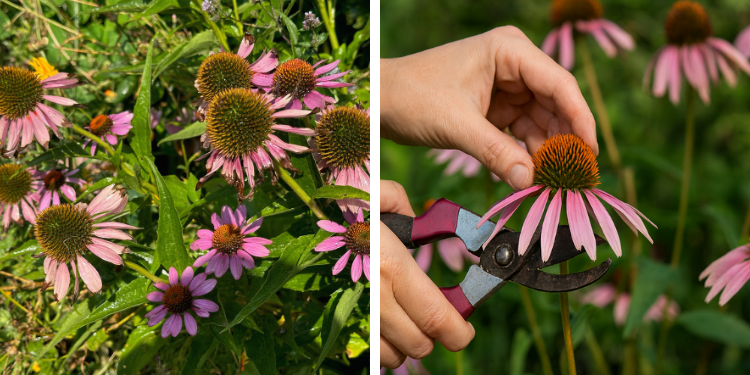
Coneflowers (Echinacea) are among the most beloved perennials in home gardens. Their daisy-like petals, sturdy stems, and long bloom season make them a staple for pollinator gardens and colorful borders.
But when autumn arrives and the flowers fade, one question often stirs confusion: should you cut back your coneflowers in fall, or leave them standing through winter?
The answer depends on what you want from your garden – and knowing the right and wrong way to do it can make all the difference for your plants’ health and next year’s blooms.
Why Cutting Back Matters
Like many perennials, coneflowers go dormant in winter. Their energy shifts from producing flowers to strengthening their roots underground.
Cutting them back at the right time helps the plant:
- Conserve energy for next year’s growth
- Prevent fungal diseases from spreading
- Keep your garden tidy and free of debris
However, cutting them too early – or too harshly – can remove natural protection the plant needs to survive winter and may reduce its vigor next spring.
When to Cut Back Coneflowers
The ideal time to cut back coneflowers is late fall, after the first few hard frosts when:
- The stems and seed heads have turned completely brown.
- The plant has finished storing energy in its roots.
In most climates, this happens in October or November, depending on your zone.
If you live in a colder northern region, cutting back before heavy snow can prevent the stems from breaking or harboring mold.
In milder climates, many gardeners leave coneflowers standing until early spring – which can actually benefit your garden in several ways (more on that below).
The Right Way to Cut Back Coneflowers in Fall
If you decide to tidy up your garden and prune your coneflowers in fall, follow these steps to ensure a healthy return next year.
1. Wait Until the Plant Is Fully Dormant
Don’t rush to cut when the petals first fade. Wait until the entire plant – stems, leaves, and seed heads – turns brown and dry. This means the plant has completed the process of moving nutrients back into its root system.
2. Use Clean, Sharp Tools
Use sterilized pruning shears or garden scissors. Dirty blades can spread fungal spores or bacteria to healthy plants. Wipe blades with rubbing alcohol before and after cutting.
3. Cut to the Right Height
Trim stems 4–6 inches above the soil line. Leaving short stubs protects the plant’s crown and helps capture snow, which provides insulation during freezing temperatures.
4. Remove Debris
After pruning, clear away dead foliage and stems from around the base. This prevents overwintering pests and diseases such as powdery mildew or fungal rot.
5. Apply a Light Mulch
Add a 2–3 inch layer of mulch (such as shredded leaves or straw) around the crown after cutting back. This keeps roots insulated and prevents winter heaving from freeze-thaw cycles.
The Benefits of Leaving Coneflowers Standing Through Winter
While many gardeners like a tidy fall cleanup, there’s a strong argument for leaving coneflowers standing until spring.
1. Natural Bird Feeders
Coneflower seed heads are packed with nutrients – a winter feast for finches, chickadees, and sparrows. Watching birds perch and feed on the dried seed cones adds life to an otherwise dormant garden.
2. Winter Interest and Texture
Even after the blooms fade, the tall, sculptural stems of coneflowers look striking against snow or frost. They add texture and structure to your garden beds, keeping them visually appealing all winter.
3. Protection for Beneficial Insects
Coneflower stalks and hollow stems provide winter shelter for native bees, butterflies, and ladybugs. Cutting everything down too early can remove vital nesting sites and reduce pollinator populations.
4. Insulation for the Plant Itself
The dried stems act as natural insulation, protecting the crown and root zone from temperature extremes.
Best Compromise: Leave the seed heads standing until mid to late winter. Once the birds have finished feeding and the snow starts to melt, cut them back before new shoots appear in spring.
Common Mistakes When Cutting Back Coneflowers
For Complete Cooking STEPS Please Head On Over To Next Page Or Open button (>) and don’t forget to SHARE with your Facebook friends.