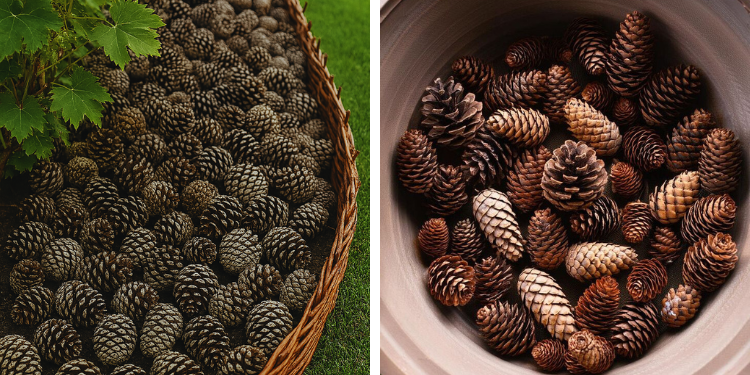
Every autumn, as pine trees begin to shed their cones, most people see them as nothing more than forest litter – something to sweep off the driveway or rake from underfoot.
But to seasoned gardeners, these woody, seed-bearing treasures are far from waste. Pine cones are one of nature’s most versatile and underrated tools for the garden, serving purposes that range from soil improvement and natural pest control to creative garden design and even wildlife support.
Understanding Pine Cones: Nature’s Seed Protectors
Before diving into their uses, it’s worth understanding what pine cones actually are – and why trees produce them in the first place.
Pine cones are the reproductive structures of coniferous trees like pines, spruces, and firs. Female cones contain seeds protected by tough, woody scales that open when conditions are right, allowing the seeds to disperse. Male cones, smaller and less noticeable, produce pollen.
Beyond reproduction, pine cones have evolved with remarkable adaptations. Their structure protects seeds from predators, insulates them from extreme weather, and ensures they’re released only when conditions support germination – often triggered by heat, cold, or moisture changes.
For gardeners, this durability and natural design make pine cones incredibly useful – they don’t rot quickly, they resist pests, and they perform valuable ecological functions when returned to the soil.
How to Collect and Prepare Pine Cones
When to Collect
Autumn is the best time to gather pine cones. By late September through November, cones have matured and naturally dropped from trees, meaning they’re ready to use.
Look for cones that are:
- Fully open (indicating they’re dry and mature)
- Brown or tan rather than green (immature)
- Free from mold, rot, or insect holes
How to Clean and Prepare Them
Before using pine cones in the garden, it’s wise to clean and sanitize them to remove sap, insects, and fungal spores.
- Shake Off Debris: Brush away dirt, leaves, or insects.
- Rinse: Wash cones briefly in a bucket of water with a splash of vinegar to kill bacteria and spores.
- Dry Thoroughly: Spread them in a sunny spot for several days or bake at 200°F (93°C) for 20–30 minutes to remove moisture and kill hidden pests.
- Cool and Store: Once dry, store them in a breathable bag or box until you’re ready to use them.
The Many Benefits of Pine Cones in the Garden
Pine cones are more than just handy tools – they offer real ecological and horticultural benefits.
Their natural structure, durability, and composition make them useful for improving soil, protecting plants, and enhancing biodiversity.
Here’s how:
- Water regulation: Their porous structure helps retain moisture while allowing airflow.
- Weed suppression: They can block sunlight, preventing weed growth.
- Soil aeration: Over time, decomposing cones add organic matter and improve soil structure.
- Wildlife habitat: They provide shelter for beneficial insects, small mammals, and pollinators.
- Sustainable mulch: They’re biodegradable and long-lasting.
For Complete Cooking STEPS Please Head On Over To Next Page Or Open button (>) and don’t forget to SHARE with your Facebook friends.